In the ever-evolving landscape of music and digital creativity, the line between artistic homage and legal infringement often blurs. Cover songs and adaptations have become a cultural mainstay, from amateur YouTube renditions to professional reimaginings by established artists. Yet behind every melodic reinterpretation lies a complex web of legal considerations that creators must navigate to avoid costly disputes or cease-and-desist orders.
At the heart of cover song legality is the distinction between the composition itself and a specific recording. The composition—encompassing the melody, lyrics, and underlying structure—is protected by copyright law from the moment it is fixed in a tangible medium. This means that anyone wishing to record or distribute a cover version must typically obtain a mechanical license, which grants the right to reproduce and distribute the musical composition. In the United States, this is often facilitated through the Harry Fox Agency or similar entities, provided the song has been previously released commercially.
However, the process isn't always straightforward. While mechanical licenses are generally compulsory for non-dramatic musical works—meaning the license cannot be refused if proper procedures are followed—they do not cover synchronisation rights. If a cover song is to be paired with visual media, such as in a film, advertisement, or music video, a separate synchronisation license must be negotiated directly with the copyright holder. This introduces an element of discretion, as rights holders can deny permission or demand fees that may be prohibitive for independent artists.
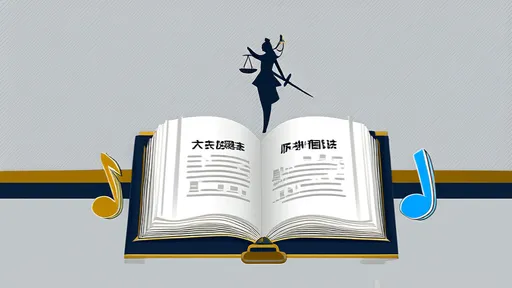
Adaptations, or derivative works, venture into even murkier territory. Transforming a song through significant alteration—such as changing lyrics, reworking melodies, or incorporating elements into a new composition—steps beyond mere covering and into the realm of creating a derivative work. This requires explicit permission from the copyright owner, as it involves modifying the original creation. Without such authorisation, artists risk claims of infringement, even if their work is transformative or parodic in nature.
The doctrine of fair use occasionally provides a defence, but its application is notoriously ambiguous. Factors such as the purpose of the use, the nature of the copyrighted work, the amount used, and the effect on the market value are all considered. While parody, criticism, or educational use might qualify, relying on fair use is a legal gamble rather than a safe harbour. Courts assess each case individually, and there are no bright-line rules, leaving many creators in a precarious position.
International considerations further complicate matters. Copyright laws vary significantly across jurisdictions. In the European Union, for instance, moral rights—which protect the personal and reputational interests of authors—are more robust than in the U.S., potentially imposing additional restrictions on how works can be altered or attributed. Artists distributing covers globally must be mindful of these regional differences to avoid unintentional violations.
Digital platforms have introduced both solutions and new challenges. Services like YouTube's Content ID system automatically detect copyrighted material and allow rights holders to monetize, block, or track covers and adaptations. While this streamlines licensing for some, it can also lead to false claims or disputes that disproportionately affect smaller creators. Understanding platform-specific policies is now as crucial as understanding the law itself.
Ultimately, the legal boundaries of cover songs and adaptations hinge on respect for original authorship balanced against cultural and creative expression. While licensing mechanisms exist to facilitate lawful sharing, the system is not infallible. Artists are encouraged to seek proper clearances, consult legal experts when in doubt, and remain vigilant about the evolving interplay between copyright law and artistic innovation. In doing so, they not only protect themselves legally but also contribute to a ecosystem where creativity can thrive within a framework of mutual respect and fairness.

By /Aug 22, 2025
By /Aug 22, 2025
By /Aug 22, 2025
By /Aug 22, 2025
By /Aug 22, 2025
By /Aug 22, 2025
By /Aug 22, 2025
By /Aug 22, 2025

By /Aug 22, 2025
By /Aug 22, 2025
By /Aug 22, 2025
By /Aug 22, 2025

By /Aug 22, 2025
By /Aug 22, 2025
By /Aug 22, 2025
By /Aug 22, 2025
By /Aug 22, 2025
By /Aug 22, 2025
By /Aug 22, 2025
By /Aug 22, 2025
