Transforming a spare room or dedicated space into a functional home studio requires careful consideration of electrical systems. Unlike general household circuits, studio setups demand specialized power solutions to support professional-grade equipment while ensuring safety and reliability. The journey begins with understanding your specific power needs before touching a single wire.
Every home studio has unique electrical requirements based on the equipment being used. Audio engineers might need clean power for sensitive preamps and converters, while visual artists could require high-amperage circuits for powerful lighting setups. The first step involves creating a comprehensive list of all devices—from computers and monitors to amplifiers and lighting rigs—and calculating their total power consumption. This inventory becomes the foundation for designing an appropriate electrical plan that accommodates both current needs and future expansions.
Professional studios often operate on dedicated circuits separate from the rest of the household electrical system. This isolation prevents interference from refrigerators, air conditioners, or other appliances that might introduce electrical noise or cause voltage fluctuations. Installing dedicated circuits for your studio equipment ensures consistent power quality and reduces the risk of tripped breakers during critical recording sessions or live streams.
Grounding issues represent one of the most common challenges in home studio electrical setups. Improper grounding can introduce hums, buzzes, and other unwanted noises into audio signals. The solution often involves implementing a single-point ground system where all equipment connects to a common ground point, preventing ground loops. In some cases, installing isolated ground receptacles with dedicated ground wires back to the main panel provides the clean foundation that sensitive audio equipment requires.
Power conditioning and backup systems play crucial roles in protecting valuable studio equipment. Voltage spikes, sags, and electrical noise can damage sensitive components over time. High-quality power conditioners regulate voltage and filter out electromagnetic interference, while uninterruptible power supplies (UPS) provide temporary power during outages, allowing for proper system shutdowns. These investments protect both your equipment and your creative work from electrical anomalies.
Lighting circuits deserve special attention in home studio designs. While primary equipment might run on dedicated circuits, lighting often requires separate controls and dimming capabilities. Installing dimmer switches and separate lighting circuits allows for adjusting ambient light without affecting equipment power. For video studios, consistent color-temperature lighting might necessitate additional considerations for stable power delivery to maintain accurate color reproduction.
Cable management represents both a safety and organizational concern in studio electrical design. Proper cable trays, conduits, and labeling systems not only maintain a tidy workspace but also prevent potential tripping hazards and electrical interference. Keeping power cables separated from audio and video cables reduces the chance of electromagnetic interference, while clearly labeled circuits make troubleshooting and equipment changes significantly easier.
Future-proofing your studio's electrical system involves planning for technological advancements and expanding needs. Installing additional circuits beyond current requirements, using conduit that allows for easy wire upgrades, and choosing higher-capacity wiring than immediately necessary provides flexibility for future equipment acquisitions. Smart planning today prevents costly renovations tomorrow when adding new gear or upgrading existing systems.
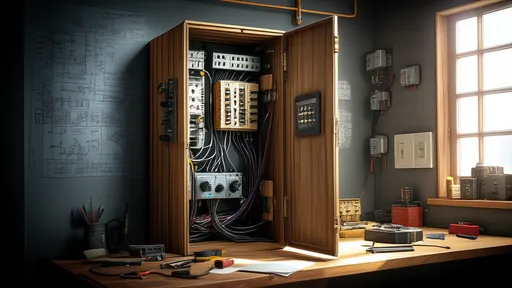
Safety considerations must remain paramount throughout any electrical modification process. Ground fault circuit interrupter (GFCI) protection becomes essential in spaces where beverages might be present near equipment. Proper circuit labeling at the panel ensures quick identification during emergencies, while adequate ventilation prevents overheating of power distribution units and equipment racks. These safety measures protect both your investment and your well-being.
Professional consultation often proves valuable when designing studio electrical systems. While many homeowners feel comfortable with basic electrical work, studio requirements frequently exceed standard residential expertise. Licensed electricians with experience in studio installations can identify potential issues before they become problems, ensure compliance with local electrical codes, and implement solutions that might not occur to DIY enthusiasts. Their expertise becomes particularly valuable when dealing with specialized grounding requirements or high-amperage circuits.
The implementation process requires careful sequencing of electrical work alongside other studio construction activities. Electrical rough-in typically occurs after framing but before insulation and drywall installation. This timing allows for running wires through walls and ceilings while maintaining accessibility. Planning this sequence correctly prevents having to cut into finished walls later for additional circuits or modifications.
Testing and verification represent the final critical steps in studio electrical modifications. Using quality testing equipment to verify proper voltage, ground integrity, and circuit isolation ensures your system performs as designed before connecting expensive equipment. Listening tests for audio systems or calibration checks for visual setups confirm that electrical modifications have successfully created the clean power environment your creative work requires.
Ongoing maintenance and monitoring complete the electrical transformation process. Regularly checking connections for tightness, monitoring power quality, and keeping circuits free from overloads maintains system reliability over time. As your studio evolves, periodically reassessing power needs ensures your electrical system continues to support your creative endeavors without limitations or compromises.

By /Aug 22, 2025
By /Aug 22, 2025

By /Aug 22, 2025

By /Aug 22, 2025
By /Aug 22, 2025
By /Aug 22, 2025
By /Aug 22, 2025

By /Aug 22, 2025
By /Aug 22, 2025
By /Aug 22, 2025

By /Aug 22, 2025

By /Aug 22, 2025

By /Aug 22, 2025
By /Aug 22, 2025
By /Aug 22, 2025

By /Aug 22, 2025
By /Aug 22, 2025
By /Aug 22, 2025

By /Aug 22, 2025
By /Aug 22, 2025
