In the ever-evolving landscape of electronic devices, one persistent and often overlooked challenge remains the oxidation of connectors and interfaces. This silent adversary creeps into the metallic contacts that form the lifelines of our gadgets, from smartphones and laptops to industrial machinery and medical equipment. The consequences range from intermittent connectivity and data corruption to complete device failure, posing significant risks to both consumer electronics and critical infrastructure. As our reliance on technology deepens, understanding and combating interface oxidation has become not just a technical concern, but an economic and functional imperative.
The science behind oxidation is rooted in basic chemistry: when certain metals, particularly copper, silver, or tin—common materials in electronic connectors—are exposed to oxygen and moisture, they undergo a chemical reaction that forms a layer of oxide on their surface. This layer, while sometimes thin and almost invisible, acts as an insulator, disrupting the flow of electrical signals. In humid environments or those with high levels of pollutants, this process accelerates, leading to quicker degradation. For instance, devices used in coastal areas often face accelerated corrosion due to salt-laden air, which acts as a catalyst for oxidation. Similarly, industrial settings with sulfurous or acidic atmospheres can cause rapid deterioration of exposed contacts.
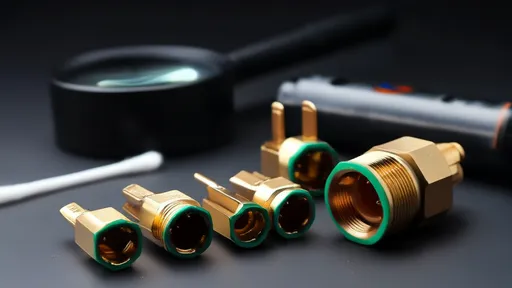
Preventing oxidation begins at the design and manufacturing stages. Engineers and product developers have long recognized the threat and employ various strategies to mitigate it. One common approach is the use of gold plating on connectors. Gold is highly resistant to oxidation due to its inert nature, making it an ideal choice for critical contacts. However, gold is expensive, so its application is often limited to high-end or mission-critical components. For more cost-sensitive applications, other metals like nickel or tin are used, sometimes with protective coatings to enhance their durability. The thickness and quality of these platings are carefully calibrated to provide a balance between performance and cost.
Beyond material selection, environmental sealing plays a crucial role in oxidation prevention. Many devices incorporate gaskets, O-rings, or conformal coatings to create a barrier against moisture and contaminants. This is especially prevalent in outdoor electronics, automotive systems, and aerospace applications, where exposure to harsh conditions is inevitable. Sealing not only prevents oxidation but also guards against other forms of corrosion and physical damage. In some cases, manufacturers use hermetic seals, which provide an airtight environment around sensitive components, effectively eliminating the risk of oxidation altogether. However, such solutions add to the complexity and cost of the device.
For end-users, maintenance and proper handling are key to prolonging the life of electronic interfaces. Simple practices like storing devices in dry, cool environments and avoiding exposure to liquids can significantly reduce the risk of oxidation. Regular cleaning of connectors with appropriate solvents—such as isopropyl alcohol—can remove early signs of corrosion before they become problematic. Additionally, using protective caps on unused ports prevents dust and moisture accumulation, which are common precursors to oxidation. In industrial settings, scheduled inspections and preventive maintenance routines help identify and address oxidation issues before they lead to downtime or failures.
Innovation in materials science continues to offer new solutions for oxidation prevention. Researchers are exploring nanomaterials and advanced alloys that provide superior resistance to corrosion at a lower cost. For example, graphene-based coatings show promise due to their impermeability to gases and liquids, potentially offering a breakthrough in protecting metallic surfaces. Similarly, the development of self-healing materials—which can automatically repair minor damage or oxidation—could revolutionize how we approach durability in electronics. These advancements are still in experimental stages but hold significant potential for future applications.
The economic impact of interface oxidation cannot be understated. For consumers, it often means premature device replacement or costly repairs. In larger systems, such as data centers or manufacturing plants, oxidation-induced failures can lead to significant operational disruptions and financial losses. A single corroded connector in a server rack might cause hours of downtime, while in medical equipment, it could compromise patient safety. Thus, investing in preventive measures is not merely a technical consideration but a strategic one, with implications for reliability, cost-efficiency, and user satisfaction.
Looking ahead, as devices become smaller and more integrated, the challenges of oxidation prevention will only intensify. Miniaturization means that connectors have less tolerance for any degradation, and the trend toward Internet of Things (IoT) devices—often deployed in diverse and uncontrolled environments—adds another layer of complexity. Manufacturers will need to adopt more robust and innovative strategies to ensure longevity and performance. This might include smarter designs that minimize exposed contacts, improved sealing techniques, or the integration of environmental sensors that alert users to conditions conducive to oxidation.
In conclusion, while oxidation of electronic interfaces is a perennial issue, it is one that can be managed through a combination of thoughtful design, appropriate materials, user vigilance, and ongoing innovation. As technology continues to advance, so too will the methods to protect it from the slow but steady threat of corrosion. By understanding the causes and implementing effective prevention strategies, we can ensure that our devices remain reliable and functional for years to come, regardless of the environments they inhabit.

By /Aug 22, 2025

By /Aug 22, 2025

By /Aug 22, 2025

By /Aug 22, 2025

By /Aug 22, 2025

By /Aug 22, 2025

By /Aug 22, 2025

By /Aug 22, 2025
By /Aug 22, 2025

By /Aug 22, 2025

By /Aug 22, 2025

By /Aug 22, 2025

By /Aug 22, 2025

By /Aug 22, 2025

By /Aug 22, 2025

By /Aug 22, 2025
By /Aug 22, 2025

By /Aug 22, 2025

By /Aug 22, 2025

By /Aug 22, 2025
